
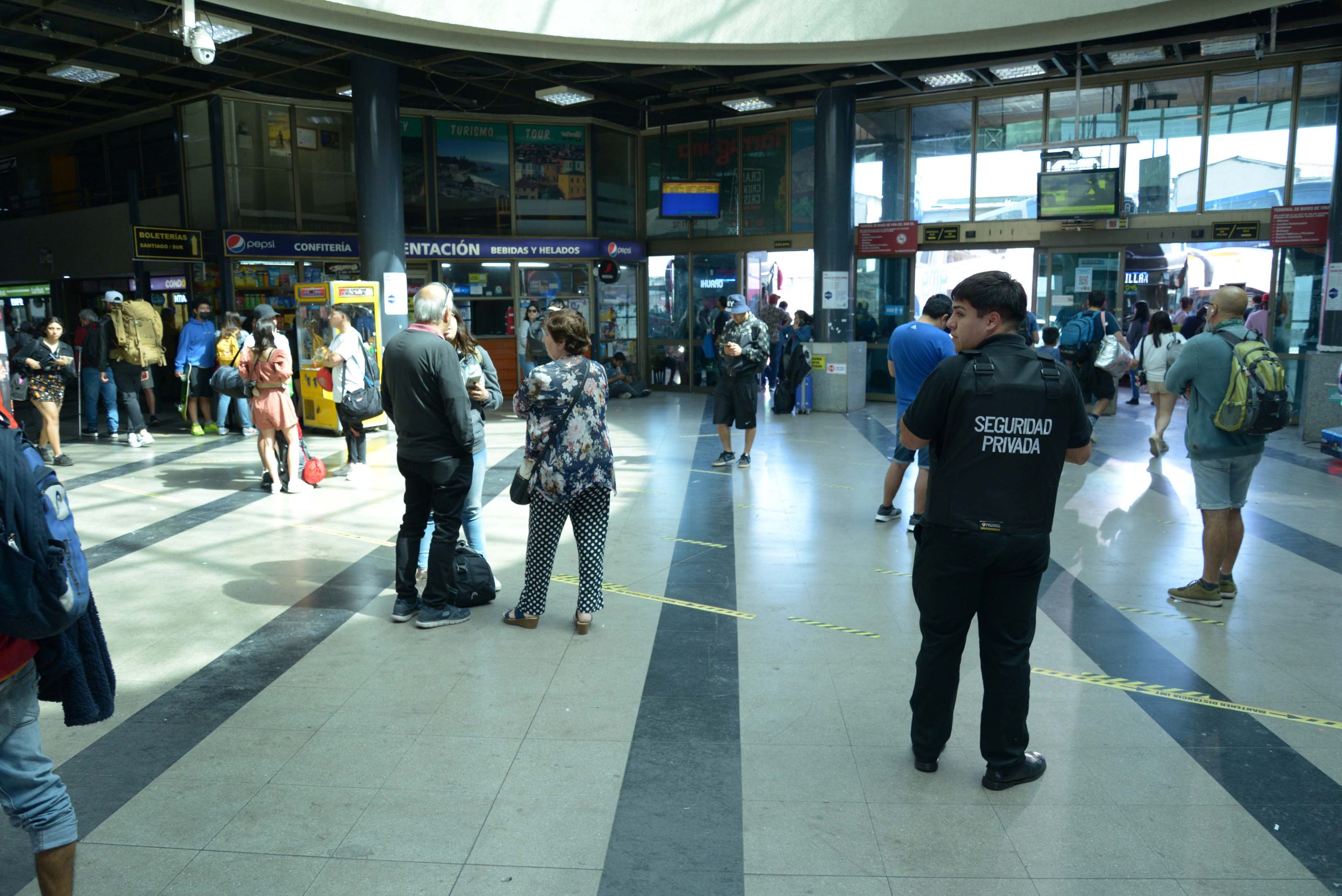
The Metro Valparaíso — officially rebranded as the Tren Limache-Puerto in May 2021 but still universally known as “Merval” by locals — is the beating heart of public transit in Chile’s Gran Valparaíso region. Stretching 43 kilometers across one of South America’s most spectacular coastal and inland landscapes, this single-line commuter rail system connects 20 stations across five cities: Valparaíso, Viña del Mar, Quilpué, Villa Alemana, and Limache. Whether you’re a visitor exploring the region for the first time or a new resident trying to navigate daily life, this station-by-station guide will walk you through every stop on the line, what you’ll find nearby, and why each station matters.
How the Line Is Structured
The Metro Valparaíso line is divided into five operational segments (tramos), each corresponding roughly to one of the cities it serves. The stations flow as follows, from west to east:
- Tramo 1 – Valparaíso: Puerto, Bellavista, Francia, Barón, Portales
- Tramo 2 – Viña del Mar: Recreo, Miramar, Viña del Mar, Hospital, Chorrillos, El Salto
- Tramo 3 – Quilpué: Quilpué, El Sol, El Belloto
- Tramo 4 – Villa Alemana: Las Américas, La Concepción, Villa Alemana, Sargento Aldea, Peñablanca
- Tramo 5 – Limache: Limache
The line also connects to a network of Bus+Metro feeder services from Limache station toward the cities of Quillota, La Calera, La Cruz, and Olmué — effectively extending the reach of the system well beyond the rail terminus. Three stations offer full customer service and information offices: Puerto, Viña del Mar, and Limache.
Tramo 1: Valparaíso Stations
Estación Puerto
Puerto is the western terminus of the entire line and the most iconic station on the network. Located at the intersection of Avenida Errázuriz and Plaza Sotomayor, it sits at the very base of Valparaíso’s famous port district, just steps from the bay, the historic customs building, and the Plaza Sotomayor — one of the city’s grandest public squares. From here, travelers can walk uphill to the celebrated bohemian neighborhoods of Cerro Alegre and Cerro Concepción, ride the city’s legendary 19th-century funicular elevators (ascensores), and explore street art, boutique cafés, and museums including the Baburizza Palace Fine Arts Museum. Puerto station also houses a full customer service center, making it the best starting point for visitors who need travel information or a Metroval card top-up.
Estación Bellavista
Bellavista sits at the corner of Avenida Errázuriz and Pudeto, within easy walking distance of Valparaíso’s bustling commercial center. This station serves a large residential and commercial corridor and is popular with commuters heading to downtown offices, markets, and the historic port area. The surrounding streets are full of local eateries, corner stores, and traditional fondas — a great stop for travelers wanting to experience everyday Valparaíso life rather than the tourist trail.
Estación Francia
Francia station, located at the intersection of Avenida Errázuriz and Avenida Francia, marks the geographic and cultural border zone between Valparaíso and Viña del Mar. It is a key transit point for residents of both cities and connects passengers to several surface bus routes. For travelers, Francia is particularly useful for accessing the lower slopes of several cerros (hills) that are less touristy but equally atmospheric as the more famous Cerro Alegre. The station sees its first weekday train toward Puerto at 7:01 AM and toward Limache at 6:33 AM.
Estación Barón
Barón is one of the line’s lesser-known gems, serving the neighborhood of the same name on the eastern edge of Valparaíso. The Barón district is undergoing a slow but exciting cultural renaissance, with independent galleries, craft workshops, and a revitalized waterfront esplanade. The Caleta Portales fishing beach — one of the most authentic seafood experiences in the entire region — is accessible from this zone, where sea lions lounge on rocks and local fishermen unload their morning catch for nearby restaurants.
Estación Portales
Portales is the last station before the metro crosses into Viña del Mar territory, serving the dense residential neighborhood of Portales. Local markets, neighborhood bakeries, and a strong community atmosphere define this stop. It is less visited by tourists but very popular with daily commuters from both cities.
Tramo 2: Viña del Mar Stations
Estación Recreo
Crossing into Viña del Mar, Recreo is the first station in the city. This station serves the Recreo neighborhood, a largely residential district popular with families and young professionals. The Playa de Recreo — a relatively quieter beach compared to the more central stretches — is accessible from here, making it a good option for travelers who prefer less crowded swimming spots. The station is also a connection point for several surface bus routes heading deeper into Viña del Mar’s hillside neighborhoods.
Estación Miramar
Miramar is one of the most strategically located stations on the entire line for beach lovers. From here, the Pacific Ocean is only minutes away on foot, with access to the Caleta Abarca beach and the scenic Avenida Marina coastal promenade. On summer weekends, this promenade transforms into a spectacular open-air route for cyclists, joggers, and families. The famous Wulff Castle — a heritage-listed waterfront mansion that is one of Viña del Mar’s most photographed landmarks — is also reachable from this station.
Estación Viña del Mar
The Viña del Mar station is arguably the most important and busiest stop on the entire network outside of Puerto. It sits at the commercial and cultural heart of Chile’s premier beach resort city and offers the densest concentration of attractions per square kilometer of any stop on the line. The Plaza Vergara, the Quinta Vergara botanical park (home to the world-famous annual Song Festival), the Museo Palacio Vergara, the Reloj de Flores (Flower Clock), the Museo Fonck with its Easter Island Moai, and scores of restaurants, shops, and hotels are all within easy walking distance. The station also houses a full customer service center, making it ideal for tourists needing assistance.
Estación Hospital
Hospital station takes its name from the major Hospital Gustavo Fricke located nearby, the primary public health facility serving the Gran Valparaíso region. While it may not be a tourist destination in its own right, this station is a vital civic anchor and serves a large daily passenger volume from surrounding residential and medical districts. Travelers using the metro for medical appointments or visiting patients at the hospital will find this stop indispensable.
Estaciones Chorrillos & El Salto
Chorrillos and El Salto are the final two stations before the metro leaves Viña del Mar and begins its climb into the inland hills. These residential stations serve some of Viña del Mar’s quieter upper neighborhoods, where the pace of life slows and the architecture transitions from coastal resort to suburban hillside. El Salto in particular sits at the edge of the urban zone, offering views of the surrounding hills and access to local parks popular with families on weekends.
Tramo 3: Quilpué Stations
Estación Quilpué
Arriving in the “Ciudad del Sol” (City of the Sun), the Quilpué station marks the beginning of the inland section of the line where the climate becomes noticeably warmer and drier than the foggy coast. Quilpué is a mid-sized city with a relaxed atmosphere and a genuine community identity. Near the station, travelers will find the city’s main commercial corridor, local markets, and connections to surrounding neighborhoods. The Zoológico de Quilpué and the nearby wine estate Viña Los Perales with its historic chapel are among the city’s highlights.
Estaciones El Sol & El Belloto
El Sol and El Belloto are the two intermediate stations within the Quilpué municipality. El Sol station sits in a residential zone named for the city’s sunshine identity, while El Belloto — named after the Chilean belloto tree — serves one of Quilpué’s most established neighborhoods and provides connections to surface buses heading toward the Cerro Mariposa area. Both stations reflect the quieter, more suburban character of the Quilpué inland zone.
Tramo 4: Villa Alemana Stations
Estaciones Las Américas & La Concepción
Las Américas and La Concepción are the entry stations into the municipality of Villa Alemana, a city with a strong heritage identity shaped by 19th-century German immigrant settlers. These stations serve growing residential neighborhoods and connect passengers to local bus routes. La Concepción in particular is near the historic Capilla de Quebrada Escobar, a chapel dating back to 1817 and one of the oldest in the entire Valparaíso region.
Estación Villa Alemana
The Villa Alemana station is the civic heart of this heritage city. The Plaza de Armas is a short walk from the station, along with the declared national monument Teatro Pompeya and the city’s main municipal buildings. Sunday mornings at the plaza — when local markets fill the surrounding streets — are a highlight for anyone passing through. The city’s architecture carries subtle echoes of its Central European founding heritage, making it a rewarding stop for history and culture enthusiasts.
Estaciones Sargento Aldea & Peñablanca
Sargento Aldea is a key operational station on the network — it marks the eastern boundary of the high-frequency service zone during peak hours, where the intensified train frequency between Puerto and Sargento Aldea transitions to the standard 12-minute interval for the remaining stretch to Limache. Peñablanca is the penultimate station before the terminus, serving a quiet semi-rural residential zone that feels markedly different from the coastal bustle. Both stations are calm, community-oriented stops that offer a genuine glimpse into suburban Chilean life.
Tramo 5: Limache Station
Estación Limache
Limache is the eastern terminus of the Metro Valparaíso line and, in many ways, its most distinctive stop. The station serves as a major intermodal hub, connecting rail passengers with Bus+Metro feeder services toward Quillota, La Calera, La Cruz, and Olmué — extending the effective reach of the system well into the agricultural interior of the Valparaíso region. The station houses a full customer service center, one of only three on the entire network.
Limache itself is a tranquil, traditional Chilean town surrounded by agricultural valleys and rolling hills. From the station, adventurous travelers can organize excursions toward the Olmué Valley and the La Campana National Park — a UNESCO Biosphere Reserve famously explored by Charles Darwin in 1834, home to Chilean palm forests and a challenging summit trek with views stretching to the Pacific on clear days. The town’s colonial-era plaza, local markets, and relaxed pace make Limache a rewarding final destination for travelers who want to experience rural Chile after the coastal frenzy of Valparaíso and Viña del Mar.
Fare Zones: Coastal vs. Interior
The Metro Valparaíso network is divided into three fare zones that determine the cost of your journey:
- Zona Costa (Coastal Zone): Puerto through El Salto (Valparaíso and Viña del Mar stations)
- Zona Intermedia: Quilpué stations
- Zona Interior: Villa Alemana and Limache stations
Fares are lowest for short journeys within a single zone and increase for cross-zone travel. Weekend and off-peak journeys always carry the lower Tarifa Valle (valley fare), while weekday peak-hour travel incurs the standard rate. The rechargeable Metroval card — available at the Puerto, Viña del Mar, and Limache customer service offices — is required for all journeys and must be loaded with sufficient balance before boarding.
From the raw port energy of Estación Puerto to the quiet agricultural calm of Estación Limache, each of the 20 stations on Metro Valparaíso’s line tells a different story about one of Chile’s most fascinating and diverse regions. Together, they form a 43-kilometer thread that stitches together an entire world of culture, coast, and community.