
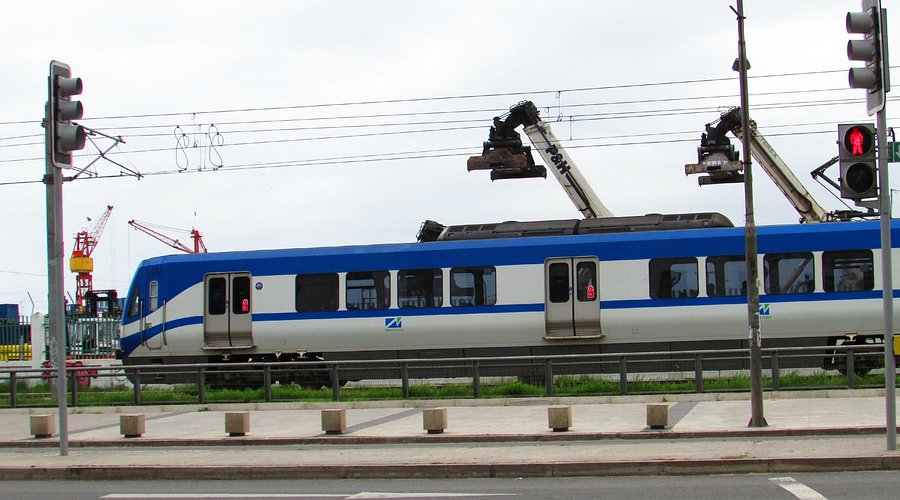
Public transport in Valparaíso gives you three main options: the Metro Valparaíso (Merval) line, the dense network of local buses known as TransValparaíso (Metro‑bus), and shared taxis or colectivos. For most visitors, the real question is: Metro vs bus – which is better? The short answer is: Metro if you are going between Valparaíso, Viña del Mar, and inland towns; bus if you need to reach streets and hills that the rail line does not serve.
1. The Metro Valparaíso (Merval) at a Glance
The Metro Valparaíso – often called Merval – is a single commuter‑rail line that runs from Estación Puerto (Valparaíso) to Estación Limache, passing through Viña del Mar, Quilpué, and Villa Alemana along the way. It functions as a fast, scheduled backbone for the whole Gran Valparaíso region.
Key features:
- One line only, no transfers required.
- Service every 10–12 minutes in peak hours, slightly less frequently off‑peak.
- Journey from Viña del Mar to Valparaíso in about 10–15 minutes, end‑to‑end from Puerto to Limache in roughly 55–70 minutes.
- Requires a Metroval card for tap‑in/tap‑out; fares rise slightly with distance and are higher during weekday rush hours.
- Clean, safe, and predictable: trains run on time, follow a clear schedule, and are relatively quiet inside compared with the city buses.
For tourists, this makes the metro ideal if your main targets are:
- Valparaíso’s port and lower hills.
- Viña del Mar’s downtown and beaches.
- Simple day trips to Quilpué, Villa Alemana, or Limache.
Because the metro is linear and runs along the coastal plain and then inland, however, it cannot reach many hilltop neighborhoods directly. If your B&B is on the upper slopes of Cerro Alegre or Cerro Concepción, you will almost always need to walk, climb stairs, or take a bus from the nearest metro station.
2. The Valparaíso Bus Network (TransValparaíso)
Valparaíso’s bus system is far more extensive than the metro. The Transporte Metropolitano de Valparaíso (TransValparaíso) combines regular buses, electric buses, and trolleybuses into a network of around 100+ routes serving the entire metro area. In practice, this means:
- Buses cover every cerro and every street that the metro line bypasses.
- There are frequent services along main arteries such as Avenida Argentina, Avenida Argentina‑Viña, and many of the chaotic, narrow streets in the port and the hills.
- Fares are similar or slightly cheaper than the metro for short trips (roughly around 450–550 CLP per ride, depending on distance and route type).
For a tourist, the main pros and cons of buses are:
Pros
- Direct access to hilltops and less‑touristy neighborhoods: you can hop on a bus that goes all the way up a hill, avoiding the long walk from the metro.
- Better coverage than the metro: many coastal, northern, and peripheral sectors are only reachable by bus.
- Local feel: riding a bus is one of the most vivid ways to experience everyday life in the city.
Cons
- More complex to navigate: route numbers, names, and directions vary; maps are not always clear for non‑Spanish speakers.
- Busier, noisier, and less predictable: buses stop frequently, fares may be checked manually, and traffic can delay trips.
- Safety and comfort: crowded buses are classic spots for pickpockets; standing with luggage can be awkward.
Several guides note that colectivos (shared minivan‑taxis) sometimes offer a middle ground: they run fixed routes, cost about 500 CLP per ride, and are faster and more comfortable than buses, though they may be less regular and require you to flag them down correctly.
3. Metro vs Bus: When Each Is Better
Choosing between metro and bus really depends on four factors: your route, your comfort level, your schedule, and your budget. Here is a practical breakdown.
1. Valparaíso → Viña del Mar (and back)
For this classic corridor, the metro is almost always the better choice.
- Speed and comfort: a 10–15‑minute non‑stop ride versus a bus that may get stuck in traffic and make frequent stops.
- Clarity: one line, clear stations, and easy Metroval‑card use.
- Safety perception: enclosed stations and trains feel safer to many tourists than boarding unknown buses late at night.
If you are staying in the port area or lower hills near Puerto/Bellavista/Barón and want to visit Viña del Mar for a day, the metro is the obvious tool. The same applies in reverse if you wake up in Viña del Mar and head to Valparaíso for sightseeing.
2. Traveling to the Interior (Quilpué, Villa Alemana, Limache)
Again, the metro wins for practical, long‑distance travel.
- Direct, non‑stop‑ish connection from the coast to the inland towns.
- Scheduled service integrated into the Bus+Metro system at Limache, where connecting buses run toward Quillota, La Calera, La Cruz, and Olmué.
- A single Metroval card can cover both metro and some of these buses in a combined fare, reducing the need to carry multiple tickets.
Here buses are mainly useful once you reach your destination town and need to reach the exact street or neighborhood that the metro station does not touch.
3. Moving Around the Hills and Narrow Streets
This is where the bus system shines.
- Many of Valparaíso’s most famous cerros, including the upper parts of Cerro Alegre and Cerro Concepción, are not served by the metro itself.
- To reach a specific street or hotel, you may need to take a bus from Puerto or Barón instead of walking the final leg.
- The ascensores (funiculars) are integrated into the street‑level network rather than the rail line, and you often walk to them from a bus stop more easily than from a metro station.
For a tourist who wants to minimize walking or is carrying heavy luggage, a well‑chosen bus route can be more convenient than a metro‑plus‑long‑hike combination.
4. Early Morning, Late Night, and Peak Hours
Both modes have limitations:
- Metro has fixed hours: typically from early morning until around 10:00–11:00 PM, with reduced frequency on weekends. If you return late from the hills, there may be no metro service, forcing you to take a bus or taxi.
- Bus service can be more frequent during peak commuting hours but also crowded and slower due to traffic.
Some guides recommend using taxis or colectivos at night, especially after the metro closes or when walking in dimly lit, hilly areas. The metro may be safer and more predictable, but buses and colectivos fill the gap when the rails are asleep.
4. Cost Comparison: Metro vs Bus
For most travelers, the difference in fare is relatively small. The metro charges by distance and time of day, with adult fares ranging roughly from about 200 CLP to 1,000 CLP depending on how far you go and whether you travel in peak hours. A short ride such as Viña del Mar ↔ Puerto is usually around 560–600 CLP (about 0.6–0.7 USD).
Buses typically charge 450–550 CLP per ride for local routes, with slightly higher fares for longer‑distance “Cerro”‑type services. Colectivos float around 500 CLP per ride.
In practice:
- For longer, cross‑city trips, the metro is often similar in cost to the bus but faster and more comfortable.
- For short intra‑city hops or hill‑only routes, buses are usually cheaper and more direct in terms of final destination.
If you mix metro and bus using the Bus+Metro integration at Limache, a single card‑based fare may actually make the combined option cheaper than paying separate, full‑price bus tickets for the same journey.
5. Comfort, Safety, and Tourist Experience
From a tourist’s perspective, several factors tip the balance:
- Metro
- Perceived as cleaner and calmer.
- Easier to follow because of one line, clear signage, and station maps.
- Enclosed spaces and staffed stations feel safer, especially at night or for first‑time visitors.
- Bus
- More authentic and immersive, but also more chaotic.
- Crowded buses increase pickpocket risk; guides consistently warn travelers to keep valuables secure and avoid displays of phones and wallets.
- Riding a bus can be fun if you see it as part of the experience, but stressful if you are tired, carrying luggage, or anxious about directions.
Because of this, many travel‑guide writers recommend using the metro as your primary instrument and buses as a secondary, local‑only supplement for reaching cerros and backstreets.
6. So: Which Should You Choose?
- Choose the Metro Valparaíso when:
- You travel between Valparaíso and Viña del Mar.
- You visit Quilpué, Villa Alemana, or Limache and plan to return the same day.
- You want predictable schedules, fewer stops, and a more comfortable ride.
- You are a tourist who wants simple, stress‑free transport with minimal route‑planning overhead.
- Choose the bus (TransValparaíso or colectivos) when:
- You need to reach specific hilltop streets or sectors north or south of the metro corridor.
- You want to minimize walking from the station to your hotel or tour starting point.
- You travel at very early or late hours when metro service is limited or closed.
- You are comfortable with local‑style public transport and want to immerse in the city’s daily rhythm.
For many visitors, the best strategy is hybrid: use the metro for the “main line” between cities and the bus for the last kilometer to the hills or when metro is not running. Combine this with a Metroval card and a map app that shows both metro and bus lines (such as Moovit), and you will have a powerful, flexible system at your disposal.
In the end, neither metro nor bus is universally “better.” The metro wins on speed, comfort, and simplicity across the main corridor; the bus wins on coverage and access to the hills and backstreets. Together, they form a complete public‑transport picture that lets you explore Valparaíso safely, efficiently, and affordably.