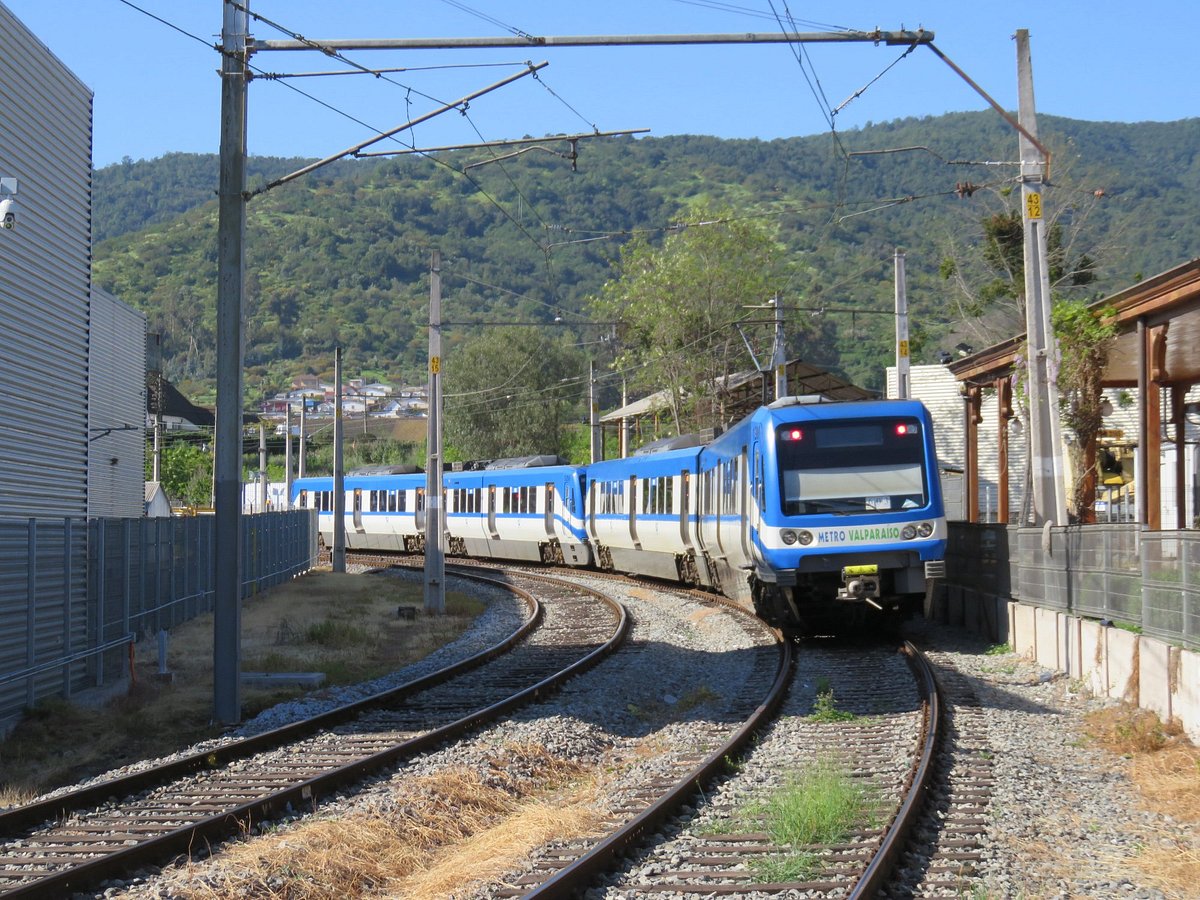
The Metro Valparaíso — affectionately known as “Merval” — is one of Chile’s most scenic and practical commuter rail systems, linking the port city of Valparaíso with the resort city of Viña del Mar, and stretching inland through Quilpué, Villa Alemana, and Limache. For most travelers, it’s an affordable, efficient, and enjoyable way to explore the coastal region of central Chile. But as tourism in this area grows, so does the question every visitor eventually asks: Is Metro Valparaíso safe?
The honest answer is nuanced. The metro system itself is generally considered safe and well-maintained. However, the broader context of the Valparaíso region — particularly the city of Valparaíso itself — has seen a documented rise in opportunistic crime in recent years that travelers must take seriously. This guide breaks down everything you need to know to navigate the Metro Valparaíso with confidence, whether you’re a first-time visitor or a daily commuter.
The Metro Itself: A Safe System
Let’s start with the good news. The Metro Valparaíso infrastructure is clean, well-maintained, and officially monitored. Trains run on a regular schedule, carriages are in good condition, and station staff are generally visible and accessible. Security cameras are present in most stations, and the system operates with a level of organization that makes it one of the more reliable transit experiences in the country.
The stretch between Puerto station (Valparaíso) and Viña del Mar station is the most heavily used and, consequently, the most staffed. Trains along this coastal corridor can become crowded during rush hours — typically weekday mornings between 7:00 and 9:00 AM and evenings between 5:30 and 7:30 PM — and it is precisely during these peak periods that commuters and tourists are most vulnerable to petty crime.
The inland stations — from Quilpué through Villa Alemana to Limache — tend to be far less crowded and generally carry a lower risk profile. These stops serve primarily residential and local communities, where the atmosphere is noticeably more relaxed and the risk of tourist-targeted theft is significantly lower.
Understanding the Risks: What to Watch For
The most common threat on public transit in the Valparaíso region — as in most major Latin American cities — is pickpocketing and bag snatching rather than violent crime. Thieves typically operate in crowded environments where physical contact is normal, and they often work in small groups: one person distracts the target while another removes a wallet, phone, or bag.
Common scenarios to be aware of include:
- Boarding and alighting from trains: The doorways at stations — particularly at busy stops like Viña del Mar and Puerto — are prime spots for opportunistic theft. Thieves may jostle or push passengers during the rush to board or exit.
- Overcrowded carriages: Standing passengers are particularly vulnerable, especially those wearing backpacks or carrying bags over one shoulder.
- Phone use in transit: Displaying a smartphone openly — whether for maps, music, or photos — makes you a visible target, both on the train and on station platforms.
- Distraction techniques: Be wary of strangers who approach you unexpectedly or create a scene near you. Canada’s official travel advisory for Chile specifically warns about tactics such as spilling substances on victims and then robbing them while pretending to help.
- Rental car vulnerability at stations: If you’re driving between metro stops or using a rental car in the region, be aware that the Canadian government has flagged a specific scam in which thieves puncture vehicle tires near Valparaíso and Santiago, then steal luggage when passengers get out to check the flat.
Beyond pickpocketing, the broader city of Valparaíso has experienced a notable increase in violent crime in recent years. The US Government has raised its travel advisory for Chile to Level 2: Exercise Increased Caution, and Canada’s travel advisory echoes that warning. Muggings and armed robberies have been reported even in tourist-popular areas like Cerro Alegre and Cerro Concepción, sometimes during daylight hours. While these incidents are not overwhelmingly common, they are frequent enough to demand real situational awareness.
Safest Times to Travel on Merval
Timing your metro journeys thoughtfully is one of the simplest and most effective ways to stay safe. Here’s a practical breakdown:
- Daytime hours (7:00 AM – 7:00 PM): Generally safe, particularly on the coastal section between Puerto and Viña del Mar. High foot traffic at stations and on trains means more witnesses and less opportunity for crime.
- Mid-morning to early afternoon (10:00 AM – 3:00 PM): The ideal window for tourists. Trains are less crowded, platforms are calmer, and your alertness isn’t taxed by the chaos of rush hour.
- Evening hours (7:00 PM – 10:00 PM): Use caution, particularly at Valparaíso stations and on platforms near the cerros. Foot traffic decreases, lighting can be inconsistent in older parts of the port city, and opportunistic crime increases.
- After 10:00 PM: Most experienced travelers and local expats strongly advise against walking in or around Valparaíso at night. Multiple travel guides and traveler reports consistently warn that being on the streets after dark — especially in the hillside neighborhoods — significantly increases your risk. Use Uber or a trusted taxi for all evening journeys.
Practical Safety Tips for Using Metro Valparaíso
Whether you’re a tourist visiting for a weekend or a local commuter making the daily run from Limache to Puerto, these habits will dramatically reduce your risk:
1. Use an anti-theft bag or wear your pack on your front
Backpacks worn on the back are easy targets in crowded carriages. Consider a crossbody bag worn against your chest, or invest in an anti-theft backpack with lockable zippers and cut-resistant straps. Keeping your most important items — passport, cards, phone — in inside pockets or a money belt under your clothing is the single most effective deterrent against pickpocketing.
2. Limit what you carry
On any given metro journey, carry only what you need. Leave your passport in your hotel safe (carry a photo copy instead), bring only the cash you plan to spend, and avoid wearing flashy jewelry or expensive watches. Experienced travelers in Valparaíso often carry a small “decoy wallet” with a few hundred pesos to hand over if confronted, avoiding escalation.
3. Keep your phone out of sight
Stow your phone before boarding. Use offline maps (downloaded in advance) and check your route at home before you leave. If you must use your phone on the platform or train, hold it with both hands close to your body and never scroll with one hand in a crowd.
4. Stay in well-lit, populated areas around stations
Some metro stations in Valparaíso open onto streets that can feel isolated or poorly lit, especially at night. Before exiting a station, take a moment to orient yourself and identify a busy route toward your destination. If an exit feels unsafe, return to the platform and reassess.
5. Be aware at peak hours
If you must travel during rush hour, keep your bag in front of you, avoid getting sandwiched between large groups, and stand with your back against a wall or train door when possible. Stay alert rather than distracted by music or your phone.
6. Trust your instincts
If something feels off — an unusually insistent stranger, a group of people inexplicably close to you in an empty carriage, or someone making deliberate eye contact — move to another part of the train or stay near the driver’s end. Your instincts are a powerful safety tool.
Safety Differences Across the Line
Not all sections of the Metro Valparaíso line carry equal risk. Here’s a quick comparative overview:
| Station Zone | Safety Level | Key Notes |
|---|---|---|
| Puerto (Valparaíso) | Moderate–High Risk | Most tourist-targeted crime; avoid after dark |
| Bellavista / Francia | Moderate Risk | Transition zone; stay alert at night |
| Miramar / Viña del Mar | Low–Moderate Risk | Busy tourist zone; pickpocket risk at peak hours |
| Recreo / Portales | Low Risk | Residential; calmer atmosphere |
| Quilpué / Villa Alemana | Low Risk | Inland towns; significantly fewer incidents |
| Limache | Very Low Risk | Rural, quiet terminus; relaxed environment |
Advice Specific to Locals
For residents of the Valparaíso metro area who use Merval daily, the risks are familiar and manageable with consistent habits. Local commuters generally advise:
- Avoid displaying phones during evening commutes, particularly on the Puerto–Viña del Mar stretch.
- Sit rather than stand when possible, keeping bags on your lap with hands resting on them.
- Report suspicious behavior to station staff or the onboard security if present — vigilance at the community level makes the whole system safer.
- Travel with company when returning late from Viña del Mar or Valparaíso, particularly if you’re heading into the hillside neighborhoods.
Final Verdict: Safe with Smart Precautions
Metro Valparaíso is a fundamentally sound and well-run transit system that millions of people use safely every year. The risks it presents are real but largely manageable — they are the same risks found in most urban transit systems across Latin America and many parts of the world. The key is informed awareness rather than fear.
The city of Valparaíso’s broader security situation does demand more caution than it did a decade ago, particularly after dark and in isolated zones. But travelers who follow sensible precautions — keeping valuables secure, limiting nighttime walks, using Uber after dark, and staying aware of their surroundings — will find that Merval remains one of the best ways to experience the stunning Pacific coast of Chile. Go prepared, stay alert, and the journey will be as rewarding as the destination.